Rosh Hashanah – Jewish New Year
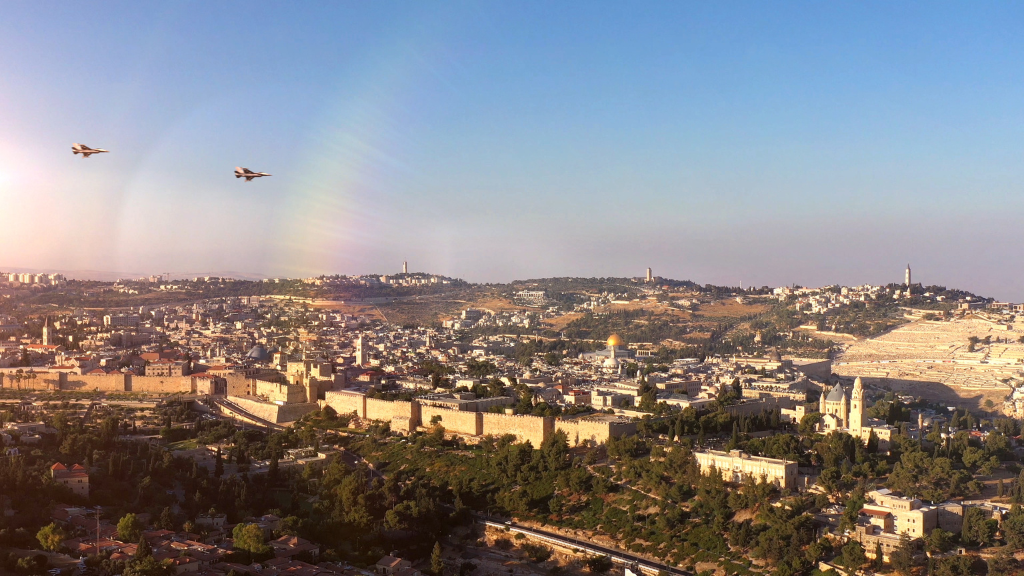
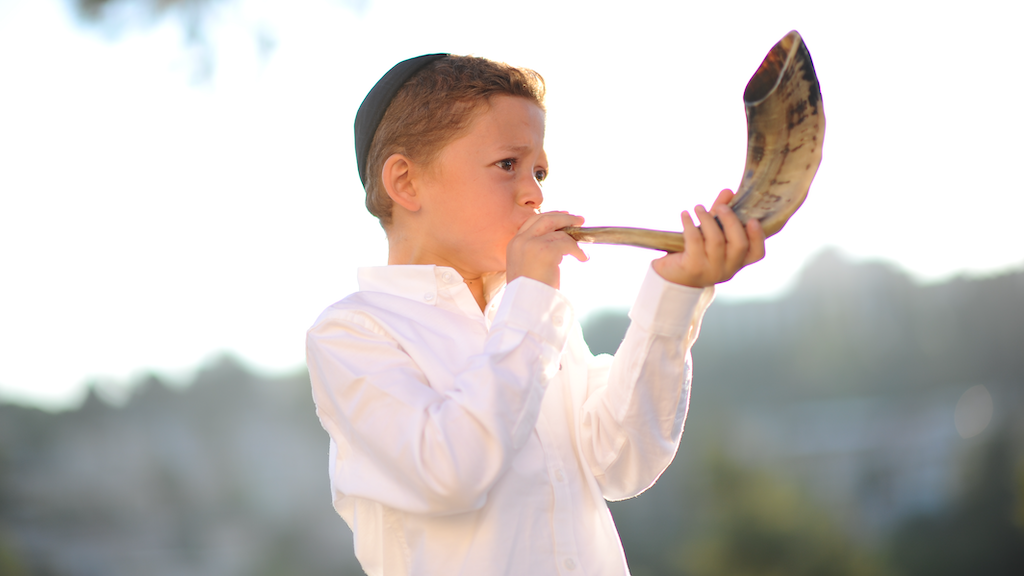 A boy blows a horn near the walls of the Old City. Photo by Mendy Hechtman | Flash90
Rosh Hashanah (literally meaning ‘the head of the year’) is celebrated on the first two days of the seventh month of the Hebrew calendar (in 2020, this is on 19 and 20 September). The first month is the month in which Pesach falls. This is the beginning of the feast calendar, while Rosh Hashanah could be compared with the beginning of the ‘civil year’.
In the Bible, this day is referred to only as a ‘day for blowing trumpets’ (Leviticus 23:24; Numbers 29:1). Therefore, the central instruction for this day is ‘to hear the shofar’. Sabbath years and jubilees were counted from this day. Jewish tradition connects Rosh Hashanah to the beginning of creation. It is the anniversary of the world and humanity. Adam was created on Rosh Hashanah.
The individual stands before the One who knows all.
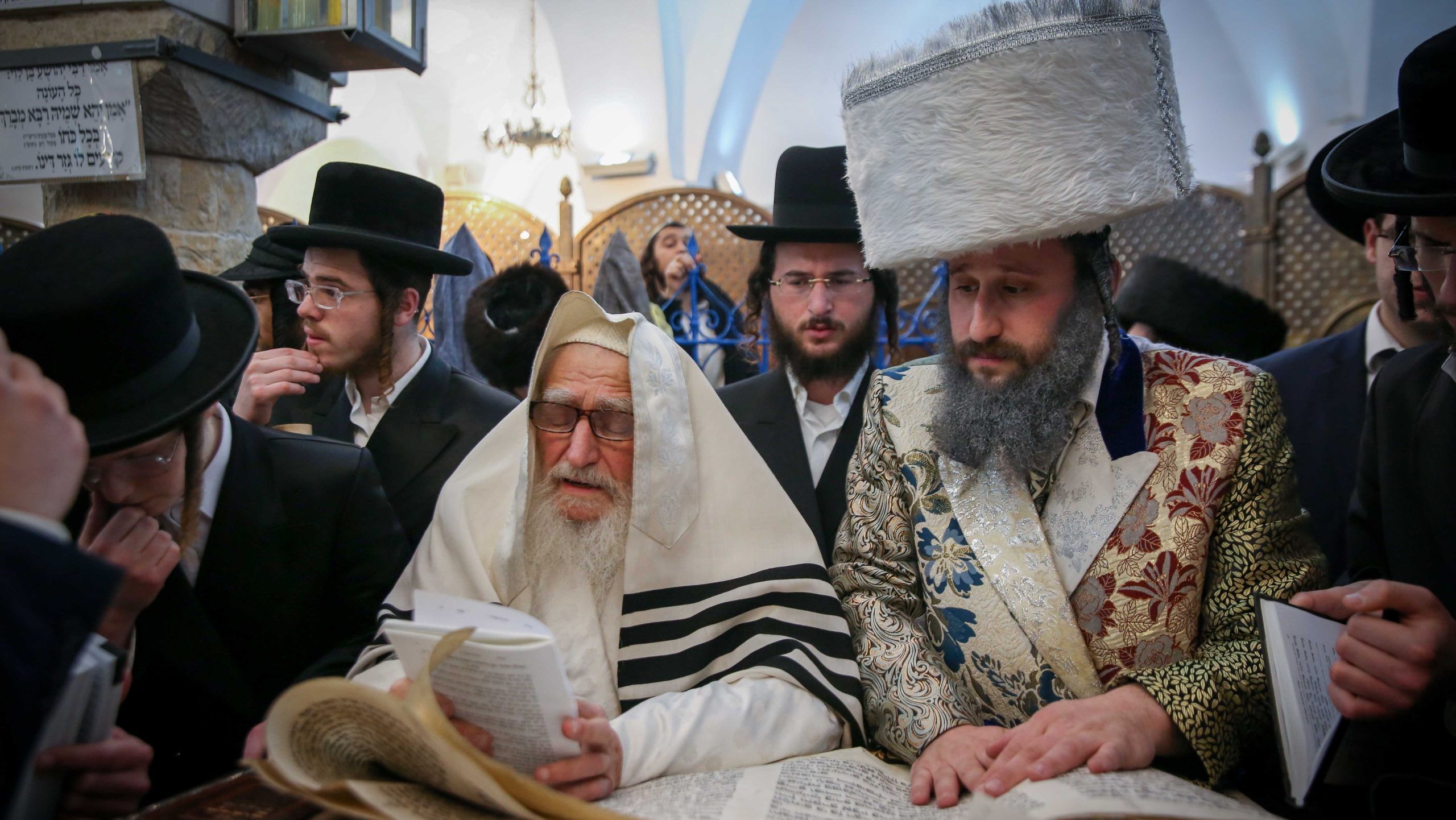
Rosh Hashanah is the first day of a period of ten so-called Days of Awe, culminating with Yom Kippur, the Day of Atonement. Biblically, this period is not linked to the remembrance of liberation (like Pesach or Purim) or commemoration of catastrophe (like the destruction of the Temple on the 9th of Av). Its concentration is not on events in Israel’s history, but on the personal, on mortality and the meaning of life, and the Lord as Creator and Judge of mankind. The day of the trumpets is the Day of the Lord, the Day of Judgment. When God completed the work of creation, He saw that it was ‘very good’ (Genesis 1:31), thus giving creation value, purpose and meaning. Every year again, the question posed by this season is: does humanity, does the world answer to God’s plan? The central theme of the Days of Awe, therefore, is trial. The individual stands before the One who knows all. On Rosh Hashanah, it is decided who shall live and who shall die. It is repeatedly said in the prayers: “Write us in the Book of Life.” True soul-searching, true repentance, during those ten days will influence the decision.
The prayers of this season hail God as King and as Father. The shofar blown on Rosh Hashana, first of all, proclaims that the Lord is King and Ruler. But it is, according to the great medieval scholar, Maimonides (12th century Spain/Egypt), also a wake-up call: “Wake up from your deep sleep, you who are fast asleep. Search your deeds and repent.” Third, the shofar recalls the revelation at Sinai and calls on God’s mercy.
Finally, on Yom Kippur, the Eternal Judge moves from His seat of righteousness to His seat of mercy. The final blast on the shofar, concluding the Yom Kippur service, proclaims life and mercy. The people of Israel come out of Yom Kippur reborn. As another great medieval scholar, Nachmanides (13th century Spain/Israel) said: “Rosh Hashana is a day of judgment with mercy; Yom Kippur is a day of mercy with judgment.”

Why Israel? by Rev. Willem Glashouwer
Order the book