Ahead of Jewish High Holidays, Manischewitz seeks ‘whole new generation of gefilte fish eaters’

For generations, tzimmes, a traditional Ashkenazi dish of slow-cooked carrots, dried fruit, honey and spices, was the kind of Rosh Hashanah food that needed to simmer for hours in a grandmother’s kitchen. Manischewitz is betting that the next generation may prefer to get its tzimmes from a jar.
Ahead of the Jewish High Holidays, the 135-year-old Jewish food company has launched ready-to-heat-and-eat tzimmes, as it looks to attract younger consumers with convenience products, a roaming food truck and even a Jewish dating show.
“The innovation isn’t tzimmes. That’s been around for, gosh, hundreds of years,” Talia Sabag, Manischewitz’s marketing manager, told JNS.
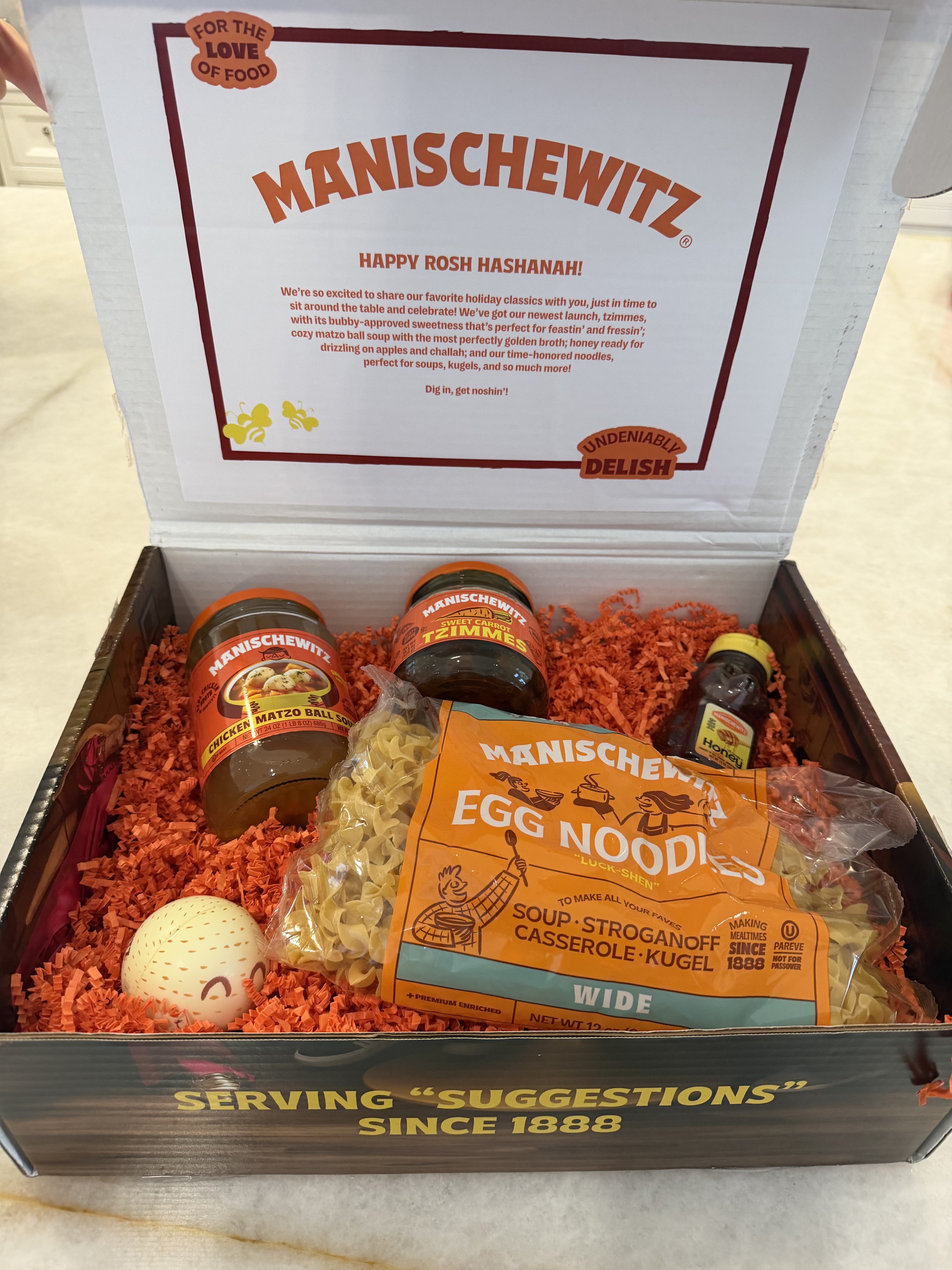
Instead, the company is taking foods associated with “your bubby’s bubby’s kitchen” and bringing them to consumers who may be encountering them for the first time.
“People are asking me, ‘What is tzimmes?’” she told JNS. “Don’t be embarrassed. A lot of people have had that question. Our bubbies know what tzimmes is, but do we?”
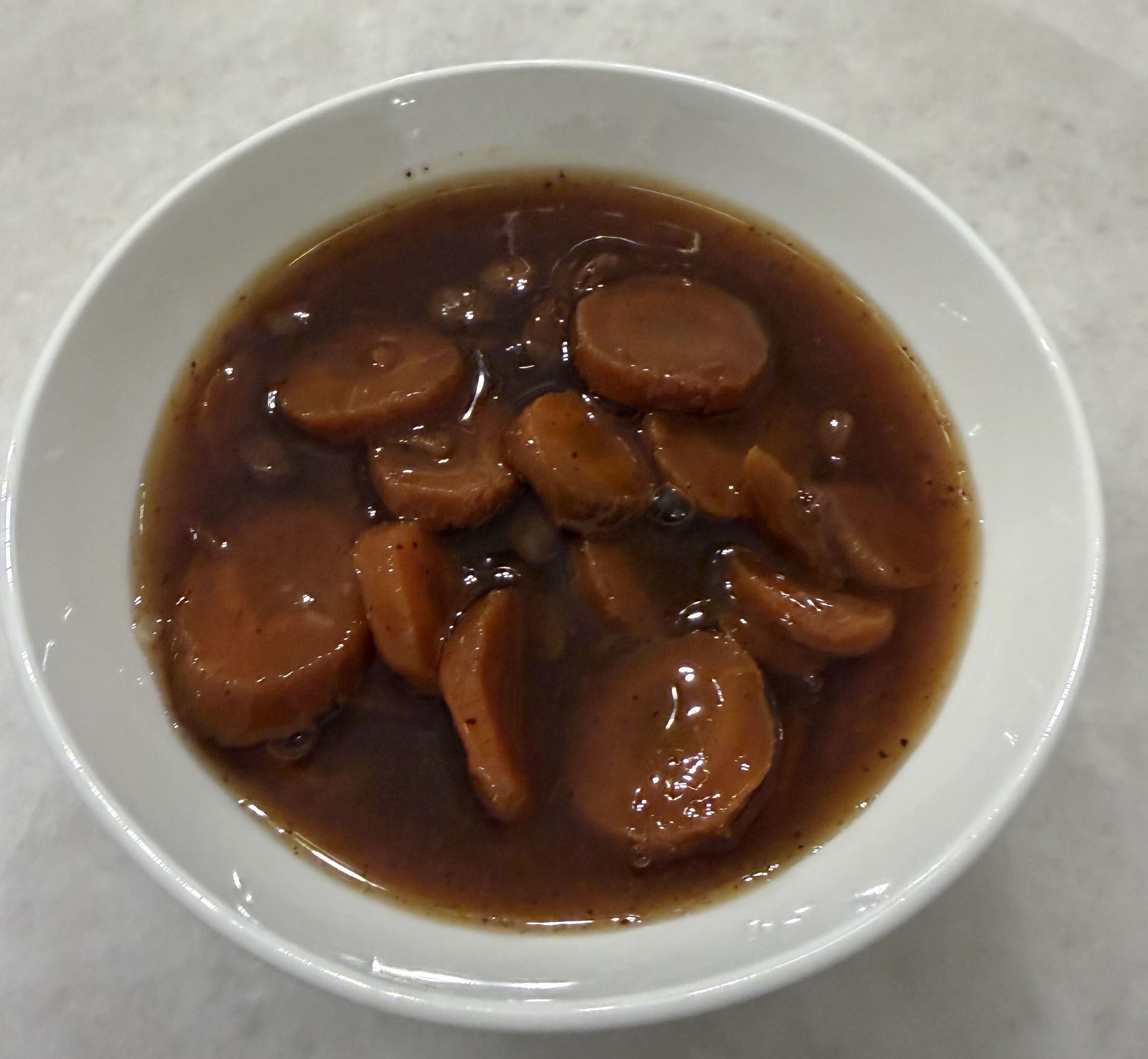
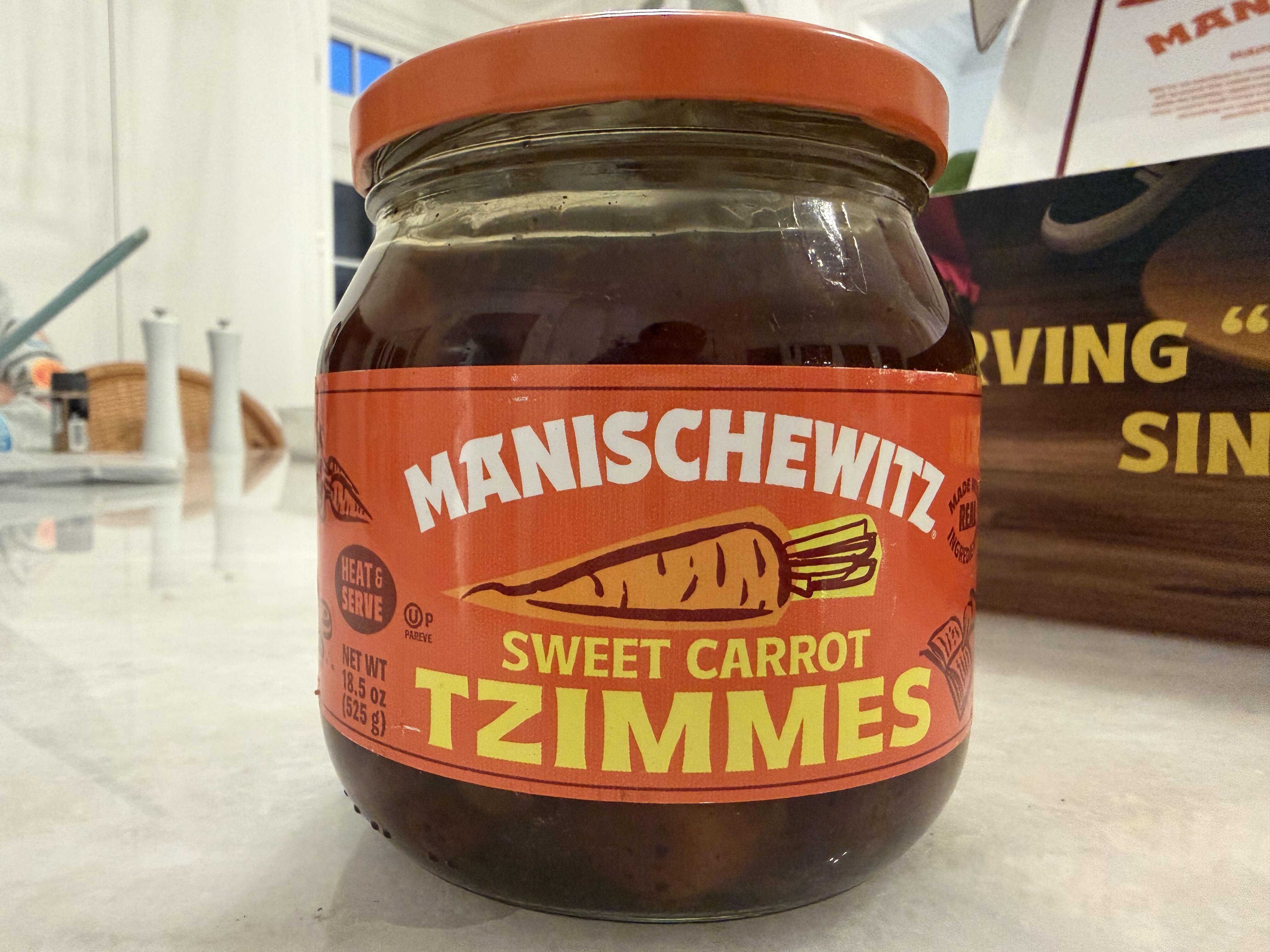
The new jarred version of the traditional Rosh Hashanah dish includes carrots, prunes, honey and spices. Sabag described it as “a slow-cooked hug.”
“It’s very homey. It’s very cozy. It’s a touch sweet,” she told JNS. “The carrots give it the right touch of sweetness. The honey takes it up a notch. The spices make it warm, cozy, homey.”
Manischewitz has taken a similar approach with other traditional Jewish foods ahead of the High Holidays, which begin on Sept. 11 at night.
The company recently revamped its jarred matzah ball soup, which it has sold in earlier forms for decades. The new version contains real chicken, along with carrots and matzah balls designed to hold up through the cooking and jarring process.
“We completely revamped what matzah ball soup is from bottom to top,” Sabag told JNS. “We completely rethought how to create matzah balls, make them in a jar. They don’t fall apart.”
The jarring process means that the soup is cooked more than once, which may create manufacturing challenges. The company spent about three years developing and tasting the new version, she said.
The company also continues to sell staples such as matzah meal and matzah ball mix.
“If you’re a real pro in the kitchen, you want to make your matzah balls from complete scratch,” Sabag said. At the other end of the spectrum, she said, is “a college student” who may not know “the difference between baking soda, baking powder and self-rising flour.”
“You’re completely new here,” she said. “Manischewitz has got your back. You don’t need to sit with a cookbook and with anxiety, like, ‘I just want a bowl of soup.’”

Manischewitz was the first company to sell jarred gefilte fish in the 1950s, according to Sabag.
“We don’t think of it now as innovation, because it’s been around since our grandparents’ time,” she said. “But of course it was the big innovation of the 1950s.”
More recently, the company has introduced frozen rugelach and blintzes, and a new line of ready-to-eat jarred soups. It is also encouraging consumers to use its products in recipes rather than only serving them as packaged.
Its tomato rice soup, for example, can be combined with ground beef and sautéed onions to make the company’s take on a sloppy Joe, which it calls a “sloppy man,” Sabag said. She also uses the soup with ground beef, onions and shredded cabbage to make deconstructed stuffed cabbage.
“It really starts with creativity,” she told JNS. “Not only can you use a lot of these new products in a way that your creativity is the template, but of course, let’s take this back to our core noodle. ‘Use your noodle.’ It could be whatever it is you want it to be.”
Manischewitz has also been reworking its image ahead of the Jewish New Year.
Stacy Bender, who works with the company, told JNS that the brand has undergone a larger rebrand in recent years aimed in part at younger consumers.
“Something like the tzimmes—you don’t know of tzimmes, but it’s a tradition,” she said. “But now that you know of it, and you’re young, you might be comfortable heating it in a jar as opposed to going and trying to figure out how to make it for the first time.”
The company’s food truck travels around New York City serving staples including matzah ball soup and hot dogs, as well as rotating dishes from guest chefs and the truck’s chef. It will not feature a special “Rosh Hashanah” menu, Sabag told JNS.
“Some products are always going to be offered on the food truck,” she said. “Gosh, if we took away matzah ball soup and hot dogs, we’d have riots on our hands. We give the people what they want.”
The company also launched “Manischewitz Matchmakers,” a Jewish dating show available on YouTube.
The show features Jewish singles eliminating potential matches based on questions about their lives, careers, families and Jewish traditions. Selected pairs later go on what the company calls “matzah ball mini-dates.”

“They ask them questions like, ‘What’s your relationship with your mother?’ and ‘What’s your favorite Jewish holiday?’ and ‘Describe your career,’ and other important Jewish questions,” Sabag said. “One by one, the singles reveal themselves into who is going to be a couple.”
The audience will ultimately vote for its favorite pair, which the company calls the “coupliest couple.”
“Manischewitz is apparently now in the business of playing matchmaker,” Sabag told JNS, laughing. “We have to create a whole new generation of gefilte fish eaters, after all.”
Bender said that the food truck, dating show, new products and bright orange packaging are all part of the company’s effort to “keep Manischewitz relevant.”
“For 135 years, this brand has done that,” she said. “I would challenge anyone to find other brands that have sustained the test of time and are still in a family-owned business, not a big giant corporate conglomerate.”
The company is still experimenting in the kitchen as well.
“We do have a test kitchen,” Sabag told JNS. “We love making yummy things and seeing where our creativity can take us and can open the door up for consumers to say, ‘Oh, I want to try that.’”
One recent creation was a gefilte fish po’boy. “Why not?” Sabag said.
Why Israel? by Rev. Willem Glashouwer
Order the book