Circumcision – Signs of the Faith
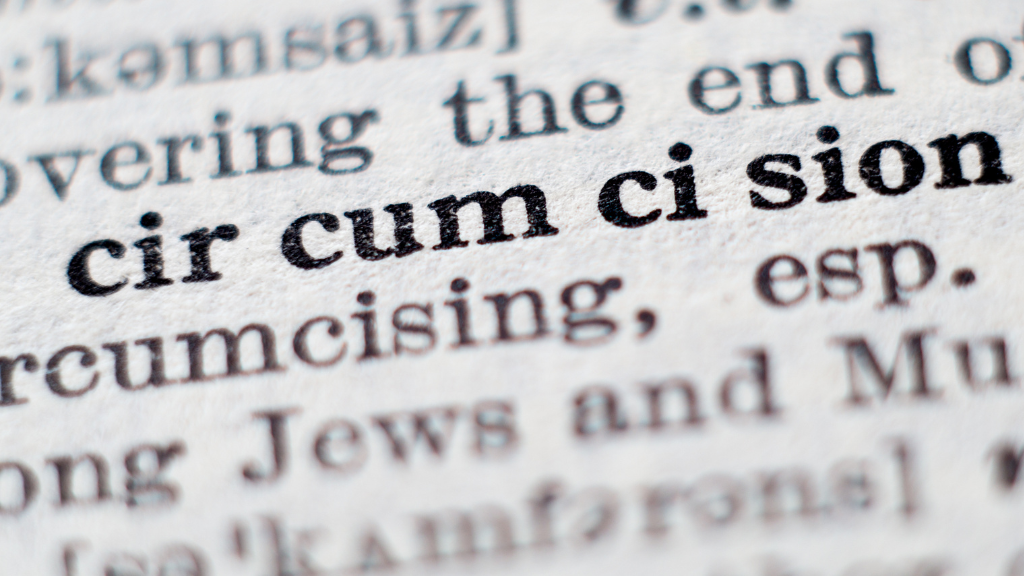 Photo: Canva Pro
In this series, ‘Signs of Faith’, objects that express Jewish faith are explained and discussed.
Circumcision is the physical sign par excellence of God’s covenant with Israel. This is what God had commanded Abraham: “And you shall be circumcised in the flesh of your foreskin, and it shall be the sign of the covenant between Me and you. And every male among you who is eight days old shall be circumcised throughout your generations” (Genesis 17:10-13). So there are two signs of God’s covenant with Israel: circumcision and the Sabbath (Exodus 31:13).
On the eighth day after his birth, a Jewish boy is circumcised (unless there are compelling reasons to postpone it, e.g. health complications). So circumcision can also take place on a Sabbath. It is also the day on which a boy receives his name (Luke 2:21). Because it is about a covenant, the Hebrew term is brit milah, the ‘covenant of circumcision’. Just for the record: only boys are circumcised. Female circumcision is absolutely not Jewish.
The instruments for the circumcision (a little clip and knife) are usually stored in an adorned box. The circumciser (mohel) is somebody with special training. Today, it is usually a (para)medic professional.
Circumcision can take place at home, or in the synagogue, or – what I also have witnessed – in a festive hall. It is a festive happening with many guests and good food. The boy is lying on a circumcision pillow, preferably on his grandfather’s lap, who is sitting in a special chair. There is a symbolic empty chair for Eliah, who is believed to be present when a Jew is accepted into the covenant. After a blessing, the mohel cuts part of the foreskin of the penis so that the glans becomes bare. He also immediately sucks away the blood. The piece of foreskin is buried.
On the eighth day, the operation is much less painful than it would be later. The wound quickly heals within three days.
The ceremony is concluded by a blessing over a cup of wine: “Just as he has entered into the Covenant, so may he enter into Torah, into marriage, and into good deeds.”

Why Israel? by Rev. Willem Glashouwer
Order the book