Rosh Hashanah: The Call of the Shofar
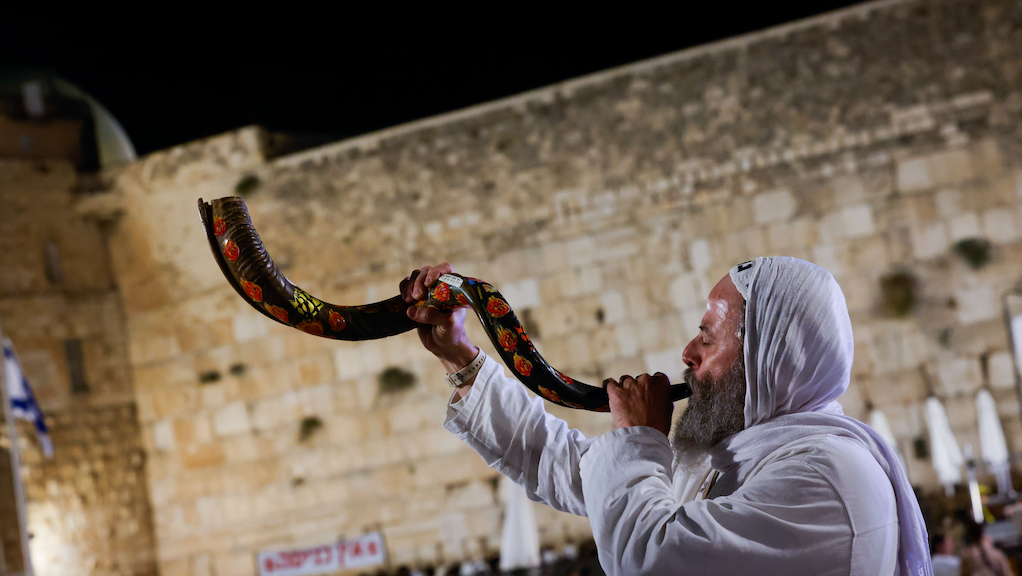
 Rabbi Shmuel Eliyahu blowing the Shofar in northern Israel, 29 October 2025 | Photo: Michael Giladi/Flash90
The Jewish New Year falls in the seventh month of the Jewish calendar. How does that work?
The seventh day has a special significance in the Bible. It is the Sabbath, set apart by God as the day on which He Himself rested from His work of creation, and the day He gave to Israel as a sign of His covenant.
Just as the seventh day has a special meaning, so too has the seventh month. On the calendar of festivals that God gave to Israel, two feasts fall in the spring: Passover in the first month (the beginning—literally: head—of the months, Exodus 12) and Shavuot seven weeks later. The third major feast, Sukkot, falls in the autumn, in the seventh month. Five days before Sukkot comes Yom Kippur, the Day of Atonement. But the seventh month itself begins with a special day. The first day of the seventh month is to be a complete day of rest. Moreover, it is announced in a distinctive way—by the sounding of the shofar (Leviticus 23:24). Therefore it is also called the ‘day of blowing’ [the shofar, Numbers 29:1].
“Rosh Hashanah literally means ‘Head/ beginning of the year”
Over the course of time, this day came to be known as Rosh Hashanah. The term itself literally means ‘Head/ beginning of the year’ and is derived from the Bible (Ezekiel 40:1), although there it does not refer to this particular day. The seventh month is, however, the month in which important years such as the sabbatical year and the jubilee year begin. During the Temple period it was also the new year for determining the tithes of vegetables. The Mishnah—the corpus of Jewish oral tradition— moreover mentions three other New Years within the Jewish calendar: the New Year of kings and festivals on 1 Nisan (the month of Passover, in the spring); the New Year for the tithe of livestock (August); and the New Year of the trees (January/February). These various New Years may be compared to our fiscal year, civil year, and ecclesiastical year, each with its own cycle.
So much for the technical aspect. What, then, is the significance of sounding the shofar? Maimonides, one of the great Jewish scholars of the Middle Ages, says that the shofar is intended to awaken those who are asleep. It may be a call to repentance and self-examination, an alarm warning of approaching danger, or a cry of grateful relief after danger has passed. The shofar also proclaims the kingship of God.
“And in that day a great trumpet will be blown” (Isaiah 27:13), and “The Lord will be King over all the earth” (Zechariah 14:9)”
The ram’s horn recalls the binding of Isaac (Genesis 22). Isaac was bound upon the altar, but God provided a ram in his place. An ancient Jewish tradition says that nothing of this ram was lost: its ashes lay beneath the altar of the Temple. The strings of David’s harp were made from its sinews. Its left horn was sounded on Mount Sinai, and its right horn will be sounded in the last days, as it is written: “And in that day a great trumpet will be blown” (Isaiah 27:13), and “The Lord will be King over all the earth” (Zechariah 14:9). In other words, the ram symbolises the life of Israel, from its origin to the consummation of its history. Today, this includes both the destruction of the Jewish people in the Shoah and their rebirth in the State of Israel—a shofar blast in our own time, not only for Israel, but especially for the Church and for the whole world.
Jesus said that when the Son of Man comes in glory, He “will send out His angels with a loud trumpet call, and they will gather His elect from the four winds” (Matthew 24:31). This is how Isaiah 27:13 continues: “And those who were lost in the land of Assyria and those who were dispersed in the land of Egypt shall come.”
“Rosh Hashanah is a day of judgment, but also a day that proclaims God’s kingship”
The shofar sounds today to gather Israel. But it also sounds to awaken the Church and the nations. The seventh month of the Jewish calendar speaks of the future. Rosh Hashanah is a day of judgment, but also a day that proclaims God’s kingship. Zechariah prophesies how God will reign as King in Jerusalem, and how the nations will then come to bow before the God of Israel together with Israel at the Feast of Tabernacles. May the Church and the nations hear the blast of the shofar and take its message to heart.

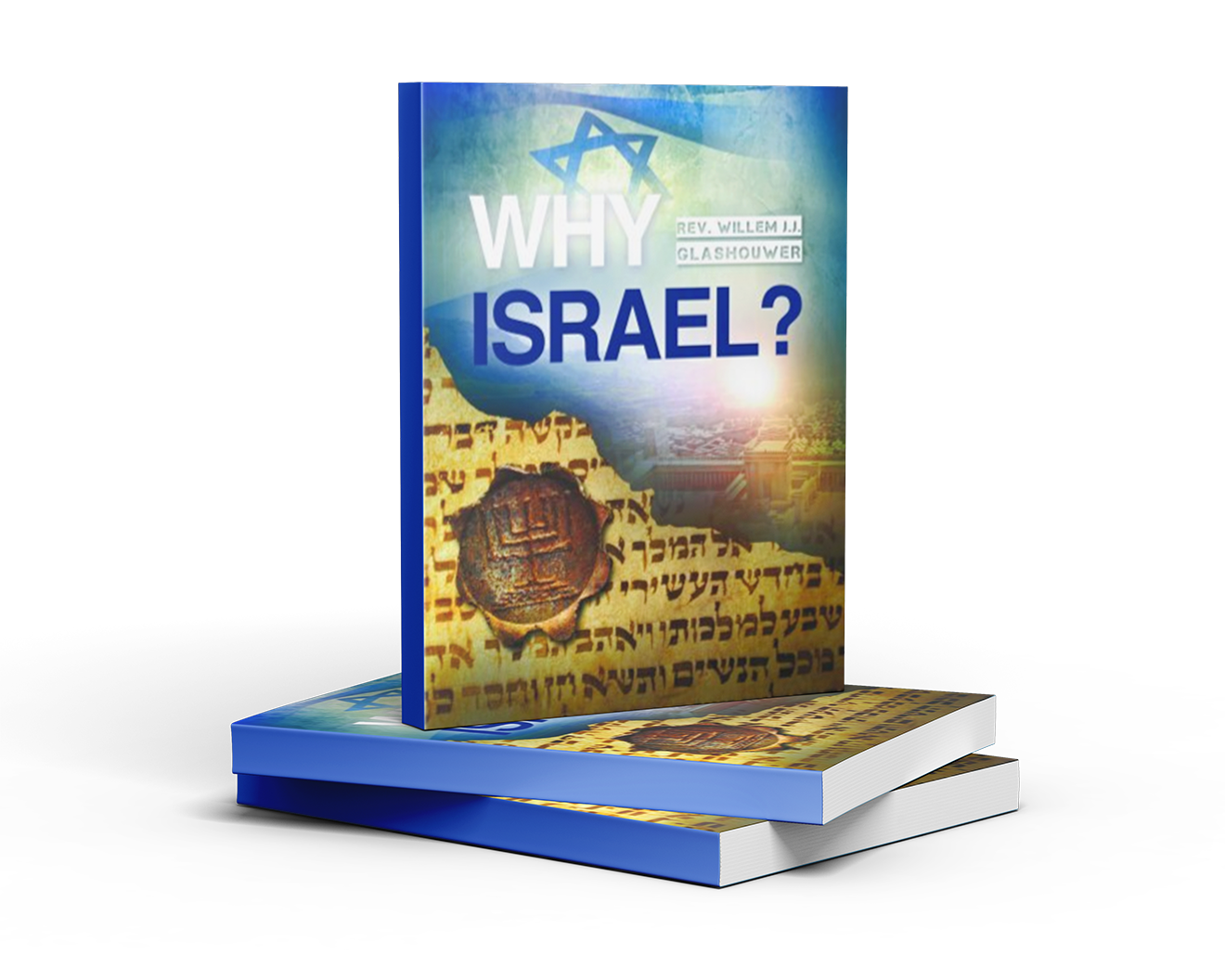
Why Israel? by Rev. Willem Glashouwer
Order the book