Trump agrees to ‘double-sided ceasefire’ with Iran for two weeks
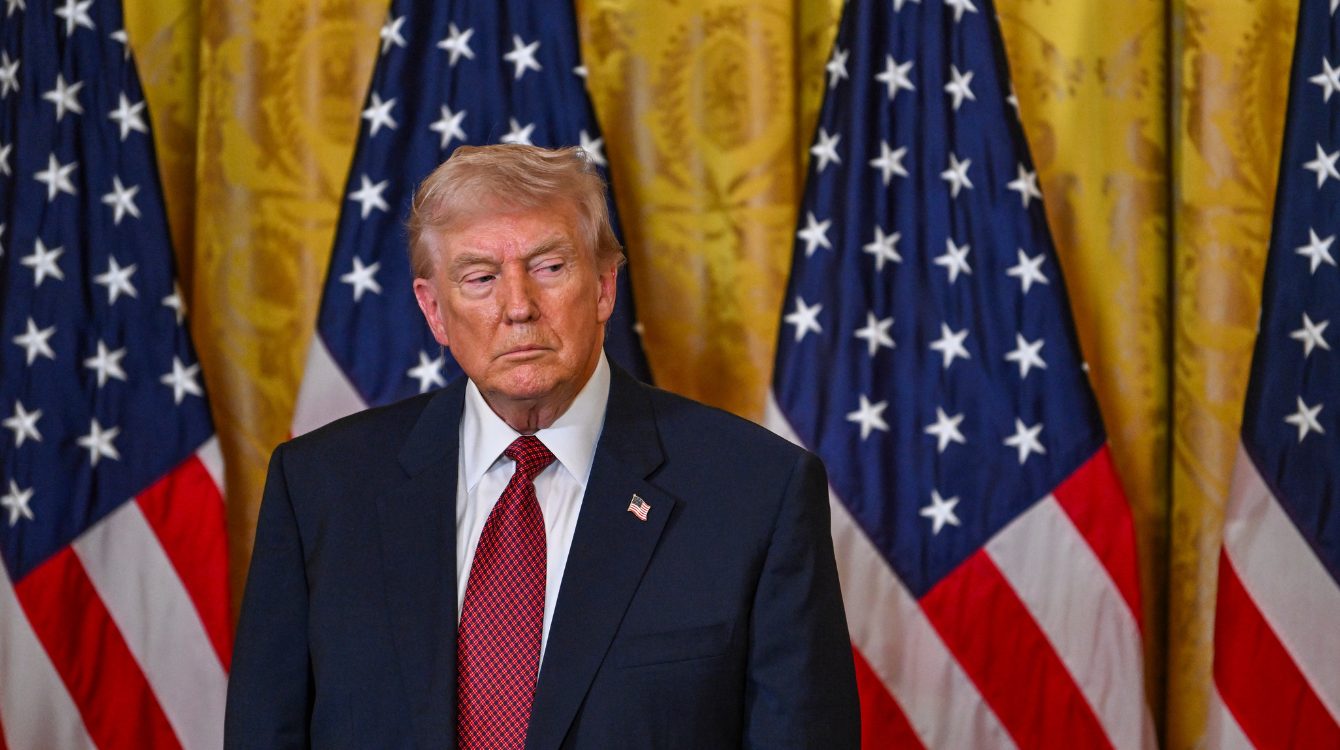 U.S. President Donald Trump Attends An Event In The East Room Of The White House In Washington, | Photo: DC Arie Leib Abrams Flash90
U.S. President Donald Trump said on Tuesday evening that he agreed to a “double-sided ceasefire” with Iran after talking to the Pakistani prime minister and field marshal, who “requested that I hold off the destructive force being sent tonight to Iran.”
If the Iranian regime agrees to the “complete, immediate and safe opening of the Strait of Hormuz, I agree to suspend the bombing and attack of Iran for a period of two weeks,” Trump stated. “This will be a double-sided ceasefire.”
Trump said the “reason for doing so is that we have already met and exceeded all military objectives and are very far along with a definitive agreement concerning long-term peace with Iran and peace in the Middle East.”
“We received a 10-point proposal from Iran and believe it is a workable basis on which to negotiate,” Trump said. “Almost all of the various points of past contention have been agreed to between the United States and Iran, but a two-week period will allow the agreement to be finalized and consummated.”
The deal comes after Trump warned on Tuesday that if Iran does not meet his 8 p.m. EST deadline to reopen the Strait of Hormuz, “a whole civilization will die tonight, never to be brought back again.”
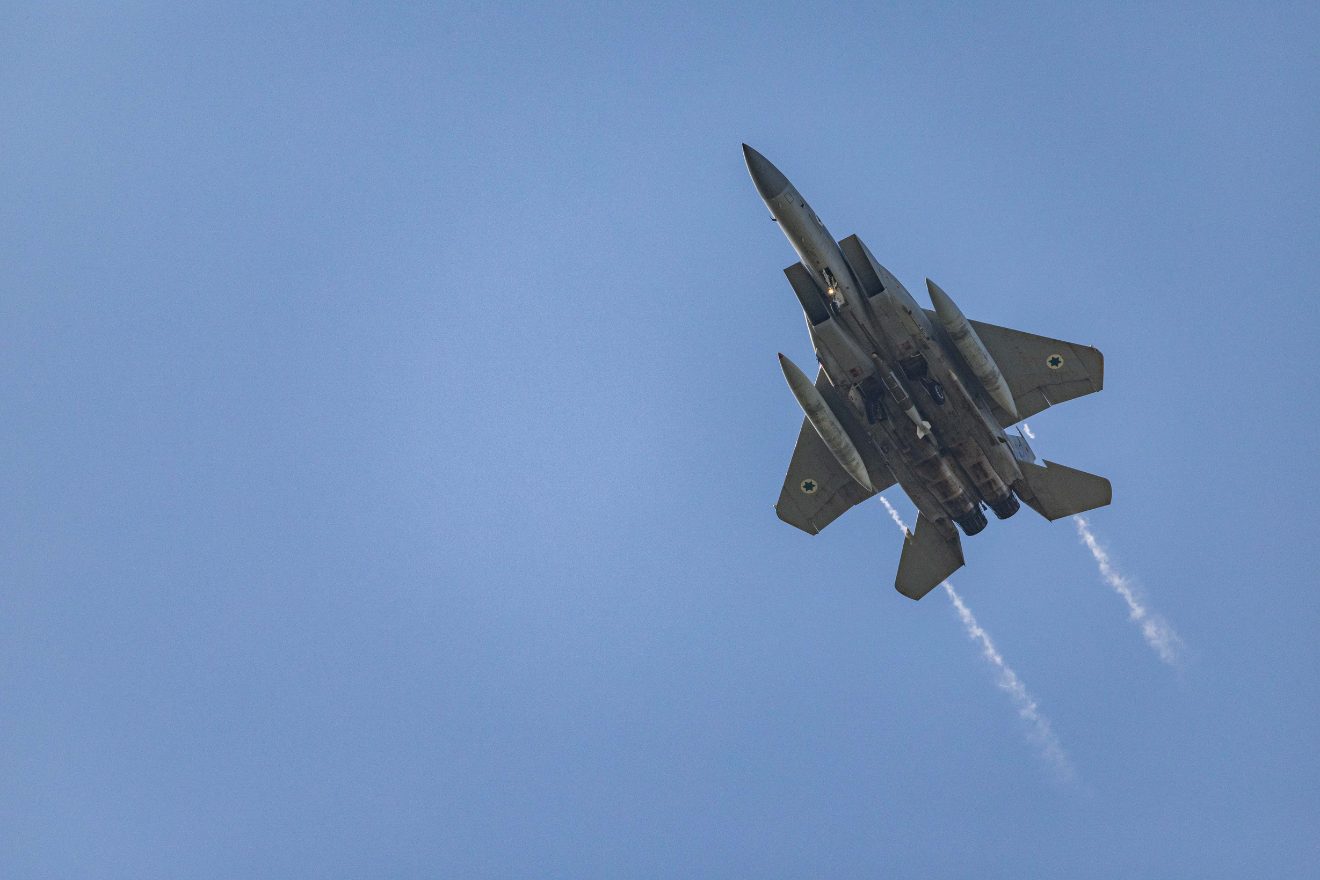
Israeli Air Force Fighter Jet Seen In Central Israel Amid The Ongoing War | Photo: Nati Shohat/Flash90
Israel and the United States launched a joint attack against the Islamic Republic on the morning of Feb. 28, including the assassination of Supreme Leader Ayatollah Ali Khamenei. Since then, the militaries have struck sites across Iran, focusing in particular on degrading the regime’s nuclear and ballistic missile capabilities.
The Israel Defense Forces has also hit more than 3,500 terror targets and killed over 1,000 Hezbollah operatives in Lebanon since the Iranian-backed group entered the war in support of Tehran on March 2.
Early on Wednesday, Israeli Prime Minister Benjamin Netanyahu issued a statement expressing support for the truce.
“Israel supports President Trump’s decision to suspend strikes against Iran for two weeks subject to Iran immediately opening the straits and stopping all attacks on the U.S., Israel and countries in the region,” said Netanyahu.
“Israel also supports the U.S. effort to ensure that Iran no longer poses a nuclear, missile and terror threat to America, Israel, Iran’s Arab neighbors and the world. The United States has told Israel that it is committed to achieving these goals, share[d] by the U.S., Israel and Israel’s regional allies, in the upcoming negotiations,” he added.
Netanyahu emphasized that the “ceasefire does not include Lebanon.”
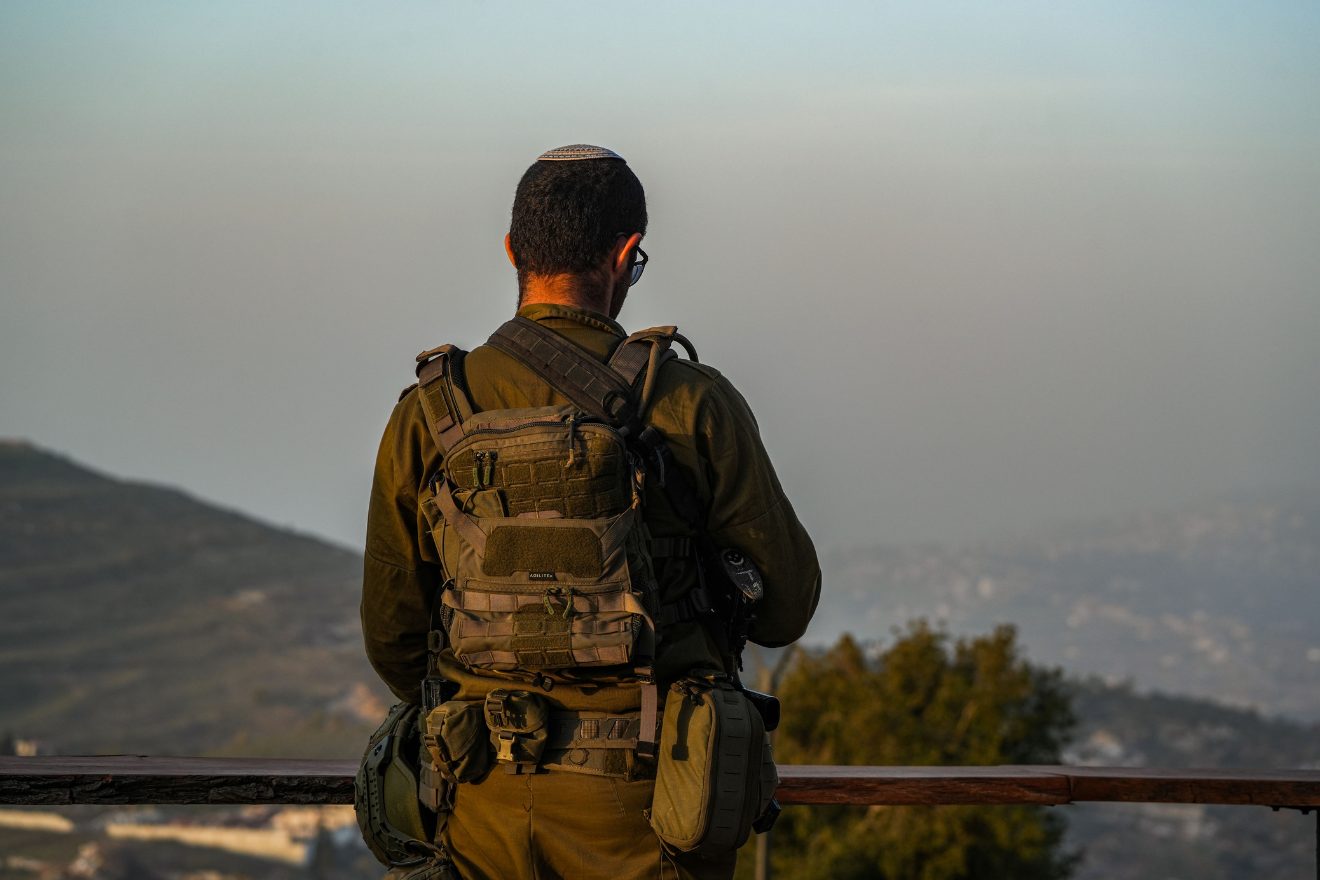
Israeli Soldiers Observe Southern Lebanon From A Lookout Point| Photo: Ayal Margolin/Flash90
Announcing the deal, Pakistani Prime Minister Shehbaz Sharif contradicted Jerusalem’s position that it does not apply to IDF operations against Hezbollah in Lebanon.
“With the greatest humility, I am pleased to announce that the Islamic Republic of Iran and the United States of America, along with their allies, have agreed to an immediate ceasefire everywhere including Lebanon and elsewhere,” Sharif wrote in an X post.
“I warmly welcome the sagacious gesture and extend deepest gratitude to the leadership of both the countries and invite their delegations to Islamabad on Friday, 10th April 2026, to further negotiate for a conclusive agreement to settle all disputes,” he continued.
“Both parties have displayed remarkable wisdom and understanding and have remained constructively engaged in furthering the cause of peace and stability. We earnestly hope… that the ‘Islamabad Talks’ succeed in achieving sustainable peace and wish to share more good news in coming days!” Sharif concluded.
Statement on behalf of the Supreme National Security Council of the Islamic Republic of Iran: pic.twitter.com/cEtBNCLnWT
— Seyed Abbas Araghchi (@araghchi) April 7, 2026
Iranian Foreign Minister Seyed Abbas Araghchi released a statement on behalf of the Islamic Republic’s Supreme National Security Council, saying that “if attacks against Iran are halted, our Powerful Armed Forces will cease their defensive operations.”
“For a period of two weeks,” the statement continued, “safe passage through the Strait of Hormuz will be possible via coordination with Iran’s Armed Forces and with due consideration of technical limitations.”

Why Israel? by Rev. Willem Glashouwer
Order the book